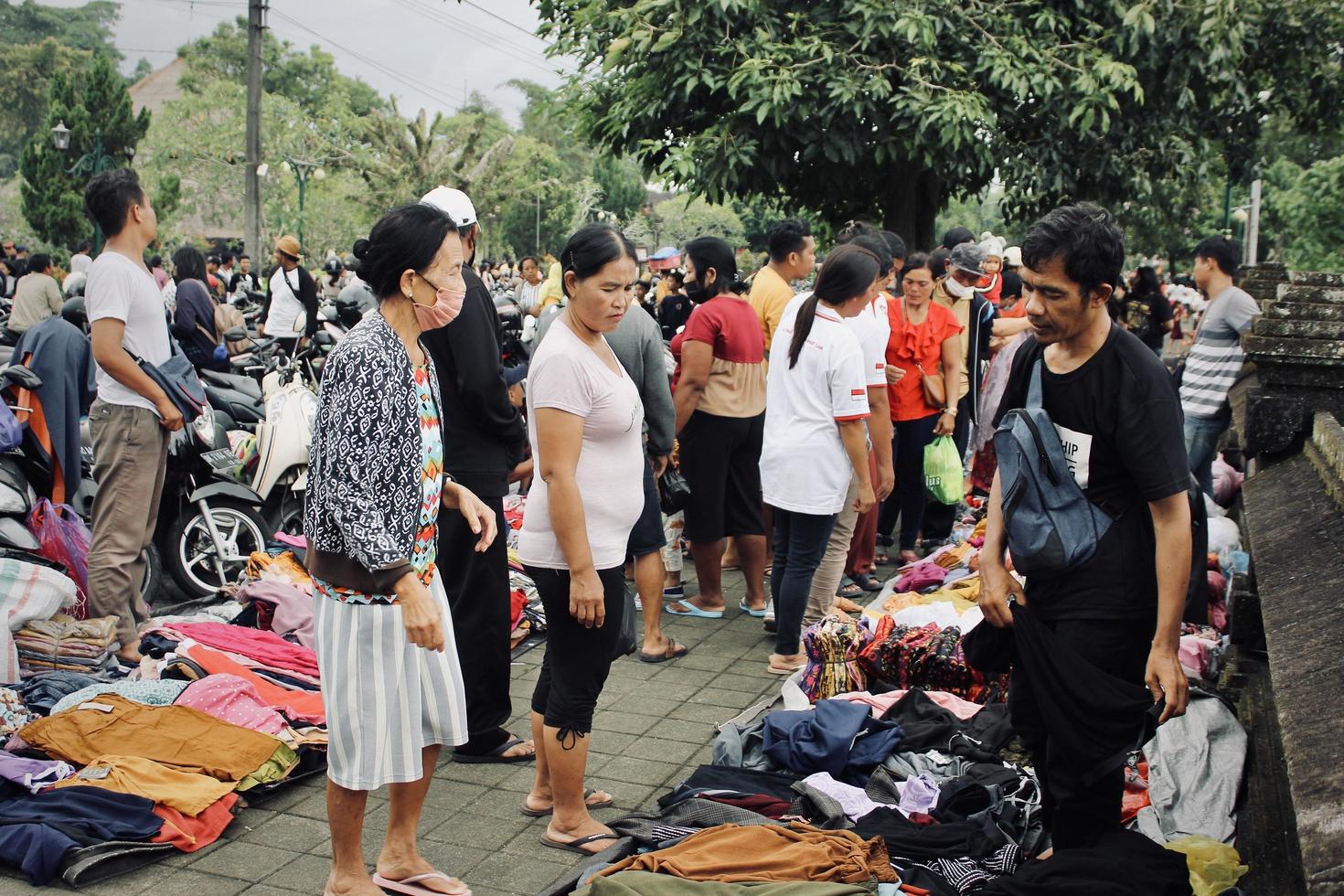
Bargaining in Bali is an art — a social exchange that, done well, results in a fair price and mutual respect. Bargaining is a common practice in Bali’s traditional markets, from the lively Ubud Art Market to the colourful stalls of Sukawati Market. While negotiating prices can be fun, it’s important to do so with respect and cultural awareness. Here’s how to master the art of bargaining while ensuring a positive experience for both you and the vendor.
1. Start with a Friendly Greeting
A warm smile and a polite greeting go a long way in Bali. Vendors appreciate it when visitors show interest and respect for their goods. Instead of diving straight into negotiations, start with:
💬 “Pagi, Ibu! Ini bagus sekali. Berapa harganya?” (Good morning, ma’am! This is very beautiful. How much is it?)
This helps set a friendly tone and makes bargaining smoother.
2. Offer a Fair Counter-Price
Once the vendor states the price, it’s time to negotiate. A general rule is to start at 50–60% of the original price, but avoid making an offer that is too low, as this may be seen as disrespectful.
💬 “Wah, cantik ya. Tapi, saya hanya punya 150 ribu. Bisa?” (Wow, it’s beautiful. But I only have 150,000. Can you do that?)
The vendor will likely counter with a higher amount.
💬 “Ah, tidak bisa. Ini kualitas bagus. 280 ribu deh.” (Ah, I can’t do that. This is good quality. 280,000.)

3. Negotiate a Middle Price
Bargaining should feel like a friendly conversation, not a battle. A good approach is to acknowledge the seller’s effort and suggest a fair price.
💬 “Hmm… saya turis, tapi saya juga ingin bantu bisnis lokal. 200 ribu?” (Hmm… I’m a tourist, but I also want to support local businesses. 200,000?)
This shows that you value their craftsmanship while still negotiating for a good deal.
💬 “250 ribu terakhir, ya!” (250,000 final price, okay?)
4. Accept or Walk Away Politely
If the final price works for you, seal the deal with a smile and gratitude.
💬 “Baiklah, saya beli. Terima kasih, Ibu!” (Alright, I’ll take it. Thank you!)
However, if the price is still too high, you can politely decline:
💬 “Terima kasih, mungkin lain kali.” (Thank you, maybe next time.)
Oftentimes, if you walk away politely, the vendor might call you back with a better price!
Bargaining in Bali also has an unspoken etiquette around what you bargain for and what you don’t. At warungs and food stalls, prices are generally fixed and bargaining would be inappropriate — the margins are already thin and the social dynamic is different from a market stall. At tourist-facing craft markets, art galleries on the street, and souvenir shops without price tags, bargaining in Bali is expected and entirely normal. The vendor’s opening price at these stalls typically has significant room built in. A counter-offer of 50–60% of the opening price is usually a reasonable starting point, with the final price settling somewhere in the middle.
One of the most useful things to remember when bargaining in Bali is that the transaction is as much social as financial. Vendors who enjoy the negotiation — who feel that the buyer is engaged, respectful, and genuinely interested — are more likely to offer their best price and to throw in something extra at the end. Rushing the process, expressing irritation, or making the negotiation feel like a confrontation almost always produces a worse outcome than taking your time and keeping the atmosphere light. Bargaining in Bali works best when both sides feel that the exchange has been fair and enjoyable. That’s the standard to aim for.
Bargaining in Bali is also a skill that improves with practice and local knowledge. Learning a few words of Indonesian — harga (price), murah (cheap), mahal (expensive), boleh kurang? (can it be cheaper?) — changes the dynamic significantly. Vendors appreciate the effort, and a buyer who demonstrates even basic language familiarity is usually rewarded with more honest pricing and a warmer transaction. The effort costs almost nothing and the effect on the bargaining in Bali experience is consistently positive. It signals respect, curiosity, and a willingness to meet the vendor on their own terms — and those qualities are recognised and rewarded everywhere in Bali. The markets are more enjoyable, the prices are fairer, and the interactions are more memorable when bargaining in Bali is approached as a cultural exchange rather than a commercial transaction.
Market Etiquette: Bargaining in Bali with Respect
✅ Do:
✔️ Be polite and friendly—a smile can make a huge difference.
✔️ Bargain with respect, not aggression.
✔️ Carry small denominations of cash for easier transactions.
✔️ Be mindful of cultural differences—vendors work hard to make a living.
❌ Don’t:
❌ Offer an unrealistically low price—it can be offensive.
❌ Get frustrated or angry if a vendor won’t lower the price.
❌ Start bargaining if you don’t intend to buy.
❌ Touch items with your left hand—it’s considered impolite in Balinese culture.
Bargaining in Bali’s traditional markets is a cultural experience that should be enjoyed. By approaching negotiations with respect, friendliness, and awareness, you can get a great deal while also supporting local artisans and small businesses. Now that you’re ready to bargain like a pro, why not explore some of Bali’s best markets? Happy shopping! Learn more about where to go in Bali to find the best market areas on the island.
<< If you liked this article, you may also like our other articles >>
To chat with our marketing partner about your business, please contact The Travellist