var wpbm_global1 = {"wpbm_ajaxurl":"https://the-travellist.com/wp-admin/admin-ajax.php","wpbm_plugin_url":"https://the-travellist.com/wp-content/plugins/booking-manager","wpbm_today":"[2026,11,12,20,16]","wpbm_plugin_filename":"index.php","message_verif_requred":"This field is required","message_verif_requred_for_check_box":"This checkbox must be checked","message_verif_requred_for_radio_box":"At least one option must be selected","message_verif_emeil":"Incorrect email address","message_verif_same_emeil":"Your emails do not match","wpbm_active_locale":"en_US","wpbm_message_processing":"Processing","wpbm_message_deleting":"Deleting","wpbm_message_updating":"Updating","wpbm_message_saving":"Saving"};
//# sourceURL=wpbm-global-vars-js-extra
function loadScript(a){var b=document.getElementsByTagName("head")[0],c=document.createElement("script");c.type="text/javascript",c.src="https://tracker.metricool.com/resources/be.js",c.onreadystatechange=a,c.onload=a,b.appendChild(c)}loadScript(function(){beTracker.t({hash:"77d6b1dab2de87fade951e8435e57335"})});
Returning to Sanur: Why This Village Always Feels Like Home
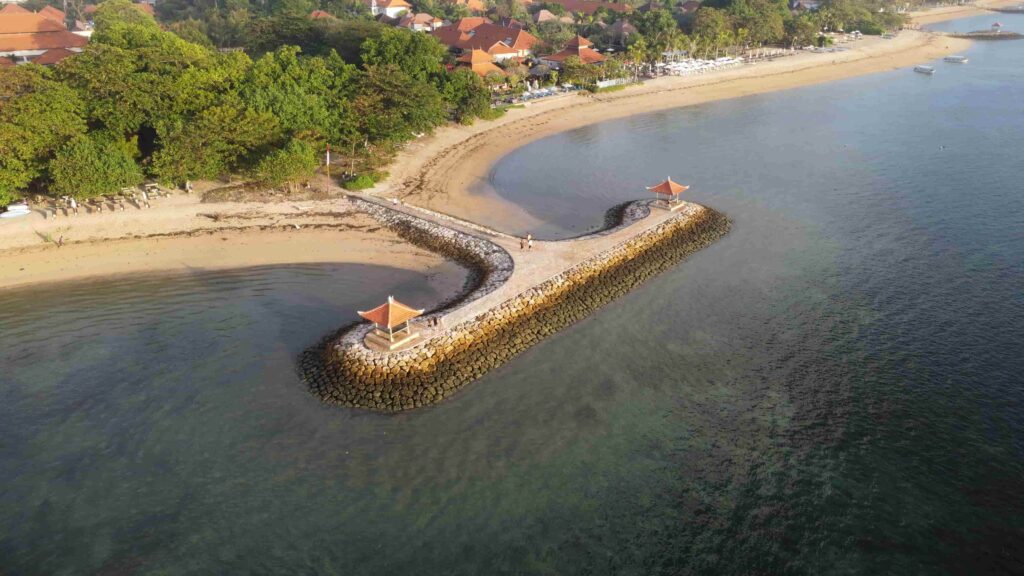
Returning to Sanur after any length of time away triggers a very specific kind of recognition — not nostalgia exactly, but the feeling of slotting back into a place that has held its shape while you were gone. Returning to Sanur is returning to one of those rare destinations that manages to change enough to stay interesting without losing the essential quality that made you fall for it in the first place. Returning to Sanur means returning to the long, calm beach promenade, to the reef-sheltered bay that makes the water safe for swimming at all hours, and to the community of families, artists, and long-term residents who give the village its distinctive atmosphere of unhurried authenticity.
‘Welcome home!’ called out my driver as we searched for his smiling face amongst the languid sopirs (drivers) waiting outside the arrivals gate at Ngurah Rai. We embraced- I had not seen him since we left in March 2020 to see out the pandemic in Australia- and this is the first time we had been able to return. Even if just for a two-week holiday. I needed to be back in Sanur to heal my tired body and mind. My second home- oh, how I have missed you! It has taken a week of massages and walks along the beach at sunrise and sunset to be able to reflect on what I missed most- so here is my little list.
1.Nongkrong
Wandering past a warung or bar and seeing a familiar face- then we hang out for a drink and a chat and there are no time pressures or impending commitments. We have all aged a little in two years- I feel a bit like Rip Van Winkle when I see everyone and then I catch my own reflection and know they must feel the same way too. We chat about how we saw the pandemic out- sad stories, hidden entrepreneurial skills and dogged patience- the support of family and the banjars and community. We were all in it together.
2.Bengong dan Mager
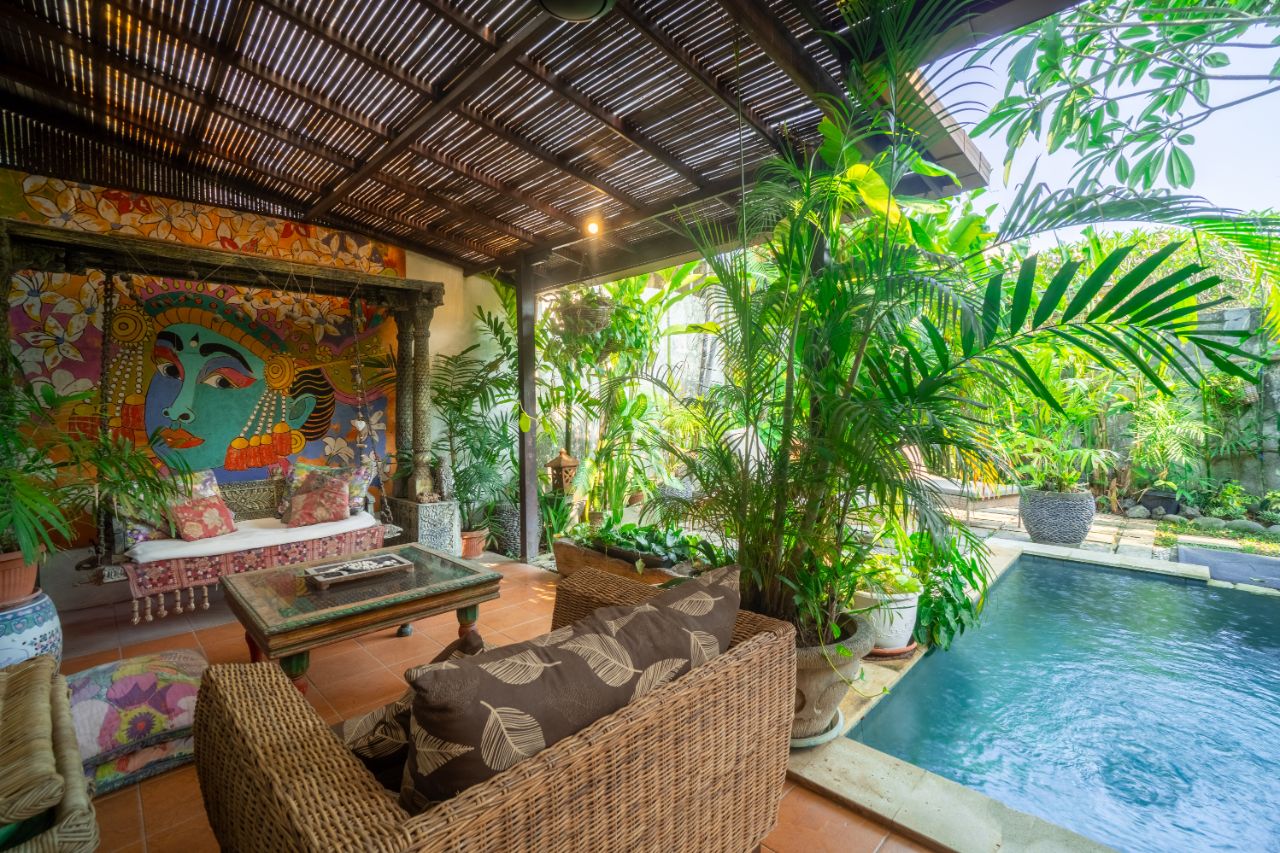
These two words roughly translate to ‘staring emptily into space’ and ‘too lazy to move’ respectively. The sofa by the pool in my rental villa is a place for quiet and vacant reflection- I have almost forgotten how to relax. I watch the frangipani flowers drop onto the pebbled footpath and listen to the sounds of the neighbour sweeping leaves with her twig broom. Roosters crowing throughout the morning, the hum of scooters and the staccato of dogs chatting with one another. My body settles.
3.Makan pagi
Breakfast is my favourite meal of the day and I have chosen the little packets at the stall in my gang. Dadar Gulung– coloured pancakes with shredded coconut; Urap Jagung – I call this ‘Bali cornflakes’- corn with sweet shredded coconut, hot black Bali Kopi, rice with sweet potato- it is like a buffet of little plastic bags with whatever the local Ibus have cooked up for the day. Rarely have the same combination twice!
4. Astungkara
I learned this word this morning when I asked the mum of my yoga teacher how she found her way through the pandemic. I guessed that the Christian equivalent would be ‘by the grace of God’ and a quick internet search says the word means ‘praise’. I took this thought with me as I did a yoga class for the first time in two years and felt my body surrender to the mat. I can feel the spirits here- guiding, reassuring. The warmth and the sounds and smells of everyday life heighten a sense of awareness of my surroundings and encourage the voices within to reveal themselves.
5. Bintangs and nasi campur
Part of what makes returning to Sanur so distinctive is how little the village’s essential character changes between visits. Other parts of Bali reinvent themselves continuously — new villas, new restaurants, new crowds — in ways that can make a return feel disorienting. Returning to Sanur produces the opposite experience. The same families sell the same fruit at the same spots on Danau Tamblingan. The same quality of light falls on the promenade at the same time each morning. This continuity is not stagnation; it is the product of a community that values what it has built and maintains it deliberately.
Returning to Sanur also means returning to a pace that most of Bali’s more celebrated destinations have lost. The reef keeps the water calm for swimming at almost any hour. The cafes open early and close early. The ceremony calendar keeps the community oriented around something other than tourism. All of this adds up to an atmosphere that visitors on their second or third visit consistently describe as the discovery they wish they’d made on their first trip. Returning to Sanur, for many, is the moment Bali becomes a place rather than a destination.
The practical side of returning to Sanur is also worth noting for those planning a trip. The village has good infrastructure without feeling over-developed: reliable fast internet at most cafes and guesthouses, a walkable beach promenade connecting the main accommodation areas, regular boat services to Nusa Lembongan and Nusa Penida, and a concentration of restaurants and warungs that cater to both local and international tastes without the price inflation found further south. Returning to Sanur from a base elsewhere in Bali is also straightforward — it sits at a natural distance from the airport that makes it an ideal first or last night destination, easing the transition in and out of Bali’s more intense tourist zones.
Those who have never been to Sanur often ask why returning to Sanur rather than trying somewhere new makes sense for a repeat Bali visitor. The answer is simple: Sanur is one of the few places on the island where the qualities that originally made Bali remarkable — the community life, the ceremonial calendar, the ease of coexistence between locals and long-stay visitors — have been most successfully preserved. Returning to Sanur is, in a sense, returning to what Bali still can be when it is managed with care and inhabited with genuine pride by its community.
Every warung (family run café) does their own version of nasi campur (mixed rice)- so we try them all. My favourite is- and we made our driver stop here on the way from the airport- is Warung Krishna on Jalan Kutat Lestari. The meat is cooked over a wood fire and the steamed vegetables are crunchy and fresh. My other favourite is made by my old pembantu Nengah- her speciality is Urap (steamed vegetables mixed with grated coconut) and tempeh manis (fried tempeh with sweet soy sauce and peanuts). Then, early dinner at the Sindhu Beach markets with chicken satays and chocolate martabak manis (sweet folded pancake)for dessert. Or maybe some seafood on the beach. All washed down with an esky cold Bintang, of course. Returning to Sanur always ends the same way — with the quiet certainty that you will come back again. Learn more about Sanur on Wikipedia and explore our guide to Bali.
window.maspikGuardConfig = {"honeypot":true,"honeypotName":"full-name-maspik-hp","honeypotLabel":"Leave this field empty","advancedKey":true,"keyName":"maspik_spam_key","keyValue":"pUoDQrdRACqDR6uCLikaghWVQswqp9OuNEIKXYrWWBg8ZzxuVgpekzV0ikVD7NUo","atomicHpId":"maspik_atomic_hp","atomicKeyId":"maspik_atomic_sk","atomicSignalsId":"maspik_atomic_sg","signals":true,"signalsName":"maspik_signals","signalsVersion":1,"signalsProbes":false,"skipSelector":""};
//# sourceURL=maspik-guard-js-before
var elementorFrontendConfig = {"environmentMode":{"edit":false,"wpPreview":false,"isScriptDebug":false},"i18n":{"shareOnFacebook":"Share on Facebook","shareOnX":"Share on X","pinIt":"Pin it","download":"Download","downloadImage":"Download image","fullscreen":"Fullscreen","zoom":"Zoom","share":"Share","playVideo":"Play Video","previous":"Previous","next":"Next","close":"Close","a11yCarouselPrevSlideMessage":"Previous slide","a11yCarouselNextSlideMessage":"Next slide","a11yCarouselFirstSlideMessage":"This is the first slide","a11yCarouselLastSlideMessage":"This is the last slide","a11yCarouselPaginationBulletMessage":"Go to slide"},"is_rtl":false,"breakpoints":{"xs":0,"sm":480,"md":768,"lg":1025,"xl":1440,"xxl":1600},"responsive":{"breakpoints":{"mobile":{"label":"Mobile Portrait","value":767,"default_value":767,"direction":"max","is_enabled":true},"mobile_extra":{"label":"Mobile Landscape","value":880,"default_value":880,"direction":"max","is_enabled":false},"tablet":{"label":"Tablet Portrait","value":1024,"default_value":1024,"direction":"max","is_enabled":true},"tablet_extra":{"label":"Tablet Landscape","value":1200,"default_value":1200,"direction":"max","is_enabled":false},"laptop":{"label":"Laptop","value":1366,"default_value":1366,"direction":"max","is_enabled":false},"widescreen":{"label":"Widescreen","value":2400,"default_value":2400,"direction":"min","is_enabled":false}},"hasCustomBreakpoints":false},"version":"4.3.6","is_static":false,"experimentalFeatures":{"additional_custom_breakpoints":true,"container":true,"theme_builder_v2":true,"hello-theme-header-footer":true,"nested-elements":true,"import-export-customization":true,"e_pro_atomic_form":true,"e_pro_collection_loop":true},"urls":{"assets":"https:\/\/the-travellist.com\/wp-content\/plugins\/elementor\/assets\/","ajaxurl":"https:\/\/the-travellist.com\/wp-admin\/admin-ajax.php","uploadUrl":"https:\/\/the-travellist.com\/wp-content\/uploads"},"nonces":{"floatingButtonsClickTracking":"a3fbf5aa6f","atomicFormsSendForm":"37886a5580"},"swiperClass":"swiper","settings":{"page":[],"editorPreferences":[]},"kit":{"body_background_background":"classic","active_breakpoints":["viewport_mobile","viewport_tablet"],"global_image_lightbox":"yes","lightbox_enable_counter":"yes","lightbox_enable_fullscreen":"yes","lightbox_enable_zoom":"yes","lightbox_enable_share":"yes","lightbox_title_src":"title","lightbox_description_src":"description","hello_header_logo_type":"logo","hello_header_menu_layout":"horizontal","hello_footer_logo_type":"logo"},"post":{"id":3705,"title":"Returning%20to%20Sanur%3A%20A%20Homecoming%20Story%20on%20Bali%20Eastern%20Shore","excerpt":"\u2018Welcome home!\u2019 called out my driver as we searched for his smiling face amongst the languid\u00a0sopirs\u00a0(drivers) waiting outside the arrivals gate at Ngurah Rai.","featuredImage":"https:\/\/the-travellist.com\/wp-content\/uploads\/2023\/11\/Kembali-ke-Sanur\u2026at-last-2-1024x768.jpg"}};
//# sourceURL=elementor-frontend-js-before
var kb_splide = {"i18n":{"prev":"Previous slide","next":"Next slide","first":"Go to first slide","last":"Go to last slide","slideX":"Go to slide %s","pageX":"Go to page %s","play":"Start autoplay","pause":"Pause autoplay","carousel":"carousel","slide":"slide","select":"Select a slide to show","slideLabel":"%s of %s"}};
//# sourceURL=kadence-blocks-splide-init-js-extra
(function(){
"use strict";
function wpbc_init__head(){_wpbc.set_other_param( 'locale_active', 'en_US' ); _wpbc.set_other_param('time_gmt_arr', [2026,11,12,12,16] ); _wpbc.set_other_param('time_local_arr', [2026,11,12,20,16] ); _wpbc.set_other_param( 'today_arr', [2026,11,12,20,16] ); _wpbc.set_other_param( 'availability__unavailable_from_today', '0' ); _wpbc.set_other_param( 'url_plugin', 'https://the-travellist.com/wp-content/plugins/booking' ); _wpbc.set_other_param( 'this_page_booking_hash', '' ); _wpbc.set_other_param( 'calendars__on_this_page', [] ); _wpbc.set_other_param( 'calendars__first_day', '1' ); _wpbc.set_other_param( 'calendars__max_monthes_in_calendar', '2y' ); _wpbc.set_other_param( 'availability__week_days_unavailable', [999] ); _wpbc.set_other_param( 'calendars__days_select_mode', 'dynamic' ); _wpbc.set_other_param( 'calendars__fixed__days_num', 1 ); _wpbc.set_other_param( 'calendars__fixed__week_days__start', [-1] ); _wpbc.set_other_param( 'calendars__dynamic__days_min', 1 ); _wpbc.set_other_param( 'calendars__dynamic__days_max', 300 ); _wpbc.set_other_param( 'calendars__dynamic__days_specific', [] ); _wpbc.set_other_param( 'calendars__dynamic__week_days__start', [-1] ); _wpbc.set_other_param( 'calendars__days_selection__middle_days_opacity', '0.75' ); _wpbc.set_other_param( 'is_enabled_booking_recurrent_time', true ); _wpbc.set_other_param( 'is_allow_several_months_on_mobile', false ); _wpbc.set_other_param( 'is_enabled_change_over', false ); _wpbc.set_other_param( 'is_enabled_booking_timeslot_picker', true ); _wpbc.set_other_param( 'update', '12.0' ); _wpbc.set_other_param( 'version', 'biz_s' ); _wpbc.set_message( "message_check_no_selected_dates", "Please, select booking date(s) at Calendar." ); _wpbc.set_message( "message_range_selection_click_last_date", "Start date selected. Now click the last day of your booking to complete the date range." ); _wpbc.set_message( "message_range_selection_has_unavailable_dates", "The selected date range includes unavailable or already booked dates, so the selection was cleared. Please choose a range that contains only available dates." ); _wpbc.set_message( "message_dates_times_unavailable", "These dates and times in this calendar are already booked or unavailable." ); _wpbc.set_message( "message_choose_alternative_dates", "Please choose alternative date(s), times, or adjust the number of slots booked." ); _wpbc.set_message( "message_cannot_save_in_one_resource", "It is not possible to store this sequence of the dates into the one same resource." ); _wpbc.set_message( "message_check_required", "This field is required" ); _wpbc.set_message( "message_check_required_for_check_box", "This checkbox must be checked" ); _wpbc.set_message( "message_check_required_for_radio_box", "At least one option must be selected" ); _wpbc.set_message( "message_check_email", "Incorrect email address" ); _wpbc.set_message( "message_check_same_email", "Your emails do not match" ); _wpbc.set_message( "message_check_valid_date", "This field must be a valid date like {date_example}" ); _wpbc.set_message( "message_check_digits_only", "This field must contain only digits" ); _wpbc.set_message( "message_check_digits_count", "This field must contain {digits} digits" ); _wpbc.set_message( "message_error_start_time", "Start Time is invalid. The date or time may be booked, or already in the past! Please choose another date or time." ); _wpbc.set_message( "message_error_end_time", "End Time is invalid. The date or time may be booked, or already in the past. The End Time may also be earlier that the start time, if only 1 day was selected! Please choose another date or time." ); _wpbc.set_message( "message_error_range_time", "The time(s) may be booked, or already in the past!" ); _wpbc.set_message( "message_error_duration_time", "The time(s) may be booked, or already in the past!" ); _wpbc.set_message( "message_booking_saving", "Saving" ); _wpbc.set_message( "message_duplicate_booking_resource_on_page", "More than one calendar or booking form for Booking Resource ID {resource_id} is present on this page. A hidden copy still conflicts with the visible form and can prevent booking submission. The site administrator must keep only one calendar or form for this Booking Resource. After the page is corrected, reload it and try again." ); _wpbc.set_message( "message_booking_form_context_required", "This booking form is not connected to a valid calendar for Booking Resource ID {resource_id}. This can happen when the same Booking Resource is used more than once on the page, including in hidden content, or when the page cache is outdated. Reload the page and try again. If the problem continues, ask the site administrator to remove duplicate forms for this Booking Resource and clear the page cache." ); _wpbc.set_message( "message_booking_form_context_expired", "This booking form was generated by an older or cached version of the page for Booking Resource ID {resource_id}. Reload the page and try again. If the problem continues, ask the site administrator to clear the page cache and remove any duplicate calendar or form for this Booking Resource." ); _wpbc.set_message( "message_unexpected_server_response", "The server returned an unexpected response. Please reload the page and try again. If the problem continues, contact the website administrator." ); _wpbc.set_message( "message_http_conflict_cache_hint", "A cached or optimized version of this page may be outdated. Clear the browser cache and reload the page. Website administrators should also purge page, server, and CDN caches and regenerate minified or optimized files." ); _wpbc.set_message( "message_resource_selector_summary_label", "Booking Resource" ); _wpbc.set_message( "message_resource_selector_start_over", "Start over" ); _wpbc.set_message( "message_appointment_summary_label", "Your appointment" ); _wpbc.set_message( "message_appointment_start_over", "Start over" ); _wpbc.set_message( "message_captcha_incorrect", "The code you entered is incorrect" ); _wpbc.set_message( 'message_processing', "Processing" ); _wpbc.set_message( 'message_deleting', "Deleting" ); _wpbc.set_message( 'message_updating', "Updating" ); _wpbc.set_message( 'message_saving', "Saving" ); _wpbc.set_message( 'message_inline_preview_submission_disabled', "This is a request-local preview. Booking submission is disabled, and no booking will be created." ); _wpbc.set_message( 'message_error_check_in_out_time', "Error! Please reset your check-in\/check-out dates above." ); console.log( '== WPBC VARS 12.0 | 11.6.1 [biz_s] LOADED ==' );}
(function(){
if (window.__wpbc_boot_done__ === true) return;
var started = false;
function run_once(){
if (started || window.__wpbc_boot_done__ === true) return true;
started = true;
try { wpbc_init__head(); window.__wpbc_boot_done__ = true; }
catch(e){ started = false; try{console.error("WPBC init failed:", e);}catch(_){} }
return (window.__wpbc_boot_done__ === true);
}
function is_ready(){ return !!(window._wpbc && typeof window._wpbc.set_other_param === "function"); }
if ( is_ready() && run_once() ) return;
var waited = 0, max_ms = 10000, step = 50;
var timer = setInterval(function(){
if ( is_ready() && run_once() ) { clearInterval(timer); return; }
waited += step;
if ( waited >= max_ms ) {
clearInterval(timer);
// Switch to slow polling (1s) so we still init even without user interaction later.
var slow = setInterval(function(){ if ( is_ready() && run_once() ) clearInterval(slow); }, 1000);
try{console.warn("WPBC: _wpbc not detected within " + max_ms + "ms; using slow polling.");}catch(_){}
}
}, step);
var evs = ["wpbc-ready","wpbc:ready","wpbc_ready","wpbcReady"];
evs.forEach(function(name){
document.addEventListener(name, function onready(){ if (is_ready() && run_once()) document.removeEventListener(name, onready); });
});
if (document.readyState === "loading") {
document.addEventListener("DOMContentLoaded", function(){ if (is_ready()) run_once(); }, { once:true });
}
window.addEventListener("load", function(){ if (is_ready()) run_once(); }, { once:true });
window.addEventListener("pageshow", function(){ if (is_ready()) run_once(); }, { once:true });
document.addEventListener("visibilitychange", function(){ if (!document.hidden && is_ready()) run_once(); });
var ui = ["click","mousemove","touchstart","keydown","scroll"];
var ui_bailed = false;
function on_ui(){ if (ui_bailed) return; if (is_ready() && run_once()){ ui_bailed = true; ui.forEach(function(t){ document.removeEventListener(t, on_ui, true); }); } }
ui.forEach(function(t){ document.addEventListener(t, on_ui, true); });
})();
})();
//# sourceURL=wpbc_all-js-after
var wpbc_booking_appointment_config = {"ajax_url":"https://the-travellist.com/wp-admin/admin-ajax.php","action":"WPBC_AJX_BOOKING_APPOINTMENT_RESOLVE","validate_action":"WPBC_AJX_BOOKING_APPOINTMENT_VALIDATE_TIME","nonce":"6542b2f029","error":"The Appointment form could not be loaded. Please try again.","validation_error":"This Appointment time could not be verified. Please try again.","initialization_error":"The Appointment form could not be initialized. Please start over and try again.","duplicate_provider":"This Provider already has an open Appointment form on this page. Complete or restart that Appointment before opening another form for the same Provider.","service_found":"Service found.","services_found":"Services found.","provider_found":"Provider found.","providers_found":"Providers found."};
//# sourceURL=wpbc-booking-appointment-js-extra
var wpbc_booking_resource_selector_config = {"ajax_url":"https://the-travellist.com/wp-admin/admin-ajax.php","action":"WPBC_AJX_BOOKING_RESOURCE_SELECTOR_RESOLVE","nonce":"b99630fc82","error":"The booking form could not be loaded. Please try again.","initialization_error":"The booking form could not be initialized. Please start over and try again.","duplicate_resource":"This Booking Resource already has an open booking form on this page. Complete or restart that booking before opening another form for the same resource.","resource_found":"Booking Resource found.","resources_found":"Booking Resources found."};
//# sourceURL=wpbc-booking-resource-selector-js-extra